

Article by
Peterson Huang DMD, MS, FACP, FRCDC
Dr. Peterson Huang is a dual board-certified prosthodontist serving Falls Church and Northern Virginia. He has been recognized as a Top Prosthodontist by Northern Virginia Magazine and Arlington Magazine and is affiliated with the Inova Fairfax Hospital Tumor Board. Dr. Huang focuses on dental implants, full mouth reconstruction, and complex restorative dentistry for patients who need advanced, comprehensive care.
Did you know that the clinical dental implant success rate reached a remarkable 97.83% in 2026, according to recent data from the Journal of Functional Biomaterials? It's natural to feel a sense of hesitation when considering a surgical procedure, especially when conflicting online statistics or the fear of a failed investment cloud your decision. You want the certainty that your new smile will function perfectly for decades, not just a few years. At Nova Premier Dental, we believe that understanding the clinical reality behind these numbers is the first step toward a successful outcome.
This guide will clarify how specialized care from a prosthodontist in Northern Virginia can mitigate your personal risk factors and ensure your restoration remains a permanent part of your life. We'll examine the latest 2026 clinical data, the critical distinction between survival and success, and the specific protocols Dr. Huang utilizes to achieve elite long-term results. By understanding the variables that influence your health, you can move forward with total confidence in your reconstructive journey.
Key Takeaways
- Understand the critical distinction between simple implant survival and a clinical dental implant success rate that accounts for long-term functional and aesthetic health.
- Identify how systemic health factors, such as smoking and blood glucose management, influence the body's biological ability to integrate and maintain a restorative fixture.
- Discover why advanced digital workflows and the specialized training of a dual board-certified prosthodontist significantly reduce the risk of surgical complications.
- Learn the essential post-surgical maintenance protocols and specialized hygiene tools required to preserve your reconstructive investment for a lifetime.
- Explore how personalized treatment planning and manageable in-house payment plans allow you to access elite care while comfortably managing the cost of your restorative journey.
What Is the Actual Success Rate of Dental Implants?
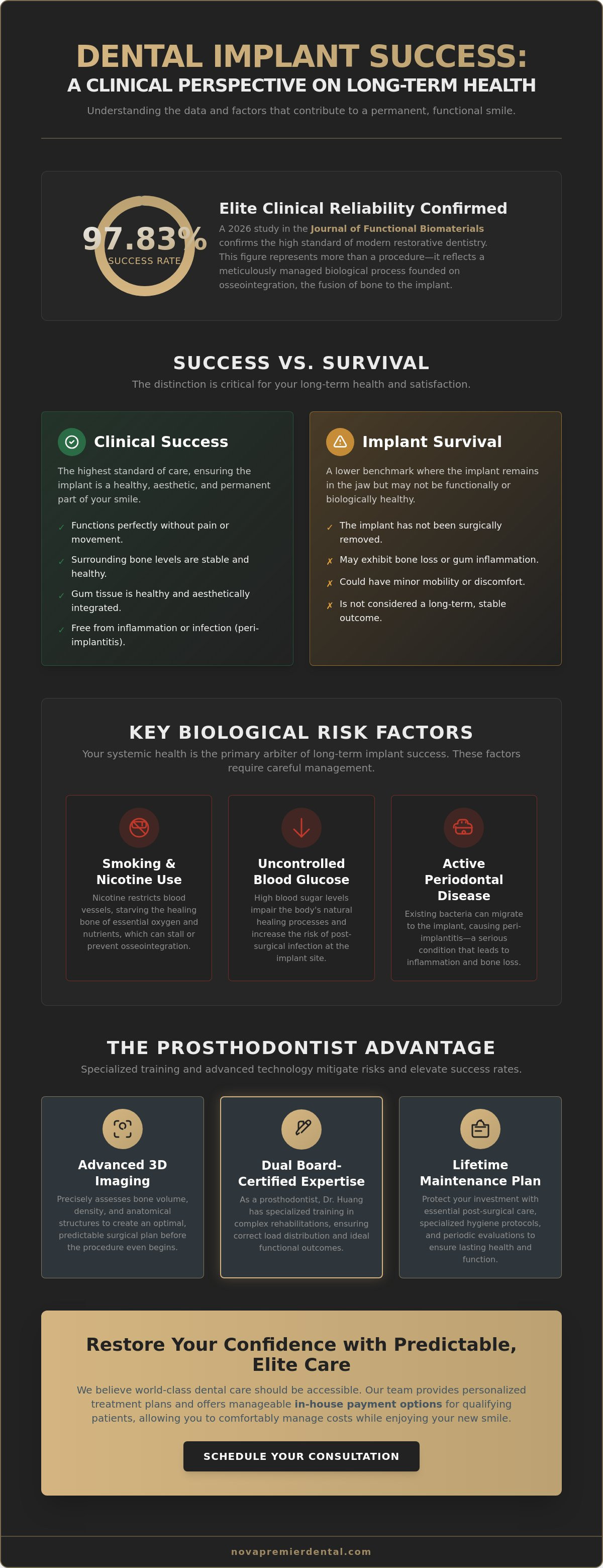
Modern restorative dentistry has reached a pinnacle of clinical reliability. The general consensus within peer-reviewed literature suggests a dental implant success rate between 95% and 98%. A 2026 study published in the Journal of Functional Biomaterials recently confirmed this high standard; reporting a clinical success rate of 97.83%. While these figures are encouraging, they represent more than just a surgical outcome. They reflect a meticulous biological process managed by a specialist. At Nova Premier Dental, we view these statistics as a baseline that can be further optimized through precision planning.
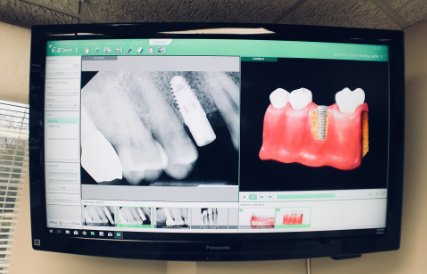
The initial six months following placement are often referred to as the "Golden Period" of healing. During this window, a process called osseointegration occurs; the jawbone fuses directly to the biocompatible surface of the titanium or zirconia post. Because a dental implant is a prosthesis designed to mimic a natural tooth root, this biological bond is the foundation of all future stability. Dr. Huang utilizes advanced 3D imaging to ensure the environment for this fusion is optimal before the procedure begins.
Success vs. Survival: Why the Difference Matters
Many patients confuse "implant survival" with "implant success," yet the distinction is vital for long-term health. Survival simply means the implant remains anchored in the jawbone. It hasn't fallen out, but it might not be healthy. Success is a much higher standard. A successful dental implant functions perfectly without pain, maintains stable surrounding bone levels, and integrates aesthetically with the gum tissue. As a prosthodontist in Northern Virginia, Dr. Huang measures success through periodic clinical evaluations that check for signs of peri-implantitis or mechanical wear, ensuring the restoration remains as healthy as it is functional.
Statistics by Location: Front vs. Back Teeth
The location of your restoration within the mouth can influence the statistical probability of a perfect outcome. Generally, the lower jaw (mandible) offers higher bone density, which often leads to slightly higher initial stability. The upper jaw (maxilla) is more porous and may require more deliberate planning to achieve the same results. Single implant configurations often boast the highest success rates due to the ease of maintenance. However, multiple implant structures or full-arch rehabilitations also maintain high success levels when the load is distributed correctly across the jaw. Your specific bone volume and density are the primary variables we assess to provide you with a predictable, personalized success forecast.
Biological Factors That Influence Your Implant’s Longevity
While the global dental implant success rate remains exceptionally high, it is not a static figure that applies equally to every patient. Your body's biological environment serves as the primary arbiter of whether a restoration will thrive or fail. Systemic health conditions, particularly those that affect the immune system or bone metabolism, require careful management before surgery. For instance, controlled diabetes typically does not preclude a patient from treatment; however, uncontrolled blood glucose levels can significantly impair the body's ability to repair tissue and fight infection at the surgical site.
Periodontal health is another non-negotiable factor. The presence of active gum disease creates a reservoir of bacteria that can lead to peri-implantitis, a condition characterized by inflammation and bone loss around the implant. A recent retrospective observational survey highlights how these clinical risk factors, including smoking and pre-existing inflammatory conditions, directly correlate with long-term outcomes. Smoking is especially problematic because nicotine acts as a potent vasoconstrictor. By narrowing the blood vessels, it restricts the flow of oxygen and essential nutrients to the healing bone, often stalling the fusion process entirely.
The Role of Bone Density and Volume
A stable dental implant success rate depends heavily on the quality of the "foundation" into which the post is placed. If a tooth has been missing for an extended period, the surrounding jawbone naturally resorbs and loses its structural integrity. Placing an implant into thin or porous bone often leads to instability. To prevent this, we utilize advanced 3D imaging to map your specific anatomy and identify the most robust bone available. In cases where the natural volume is insufficient, a bone graft for dental implant procedure can effectively rebuild the site to support a permanent restoration.
Lifestyle Choices and Healing
The success of your procedure extends far beyond the clinical setting. Nutrition is a frequently overlooked component of a predictable dental implant healing process; the body requires adequate protein, Vitamin D, and Calcium to synthesize new bone tissue. Furthermore, mechanical habits like bruxism, or chronic teeth grinding, can exert excessive force on a new implant before it has fully fused. If you struggle with grinding, consulting with Dr. Huang about a custom night guard can protect your investment from mechanical overload during the critical early months of integration.
Why Prosthodontic Expertise Increases Success Probability
While industry averages are high, a specialist's approach is often what differentiates a standard procedure from a lifetime restoration. A prosthodontist is a dental architect who specializes in the replacement of missing teeth and the restoration of complex oral structures. At Nova Premier Dental, we utilize a restorative-driven methodology. This means we plan the final position, shape, and function of your new tooth before the titanium post is ever placed. By beginning with the end in mind, we can significantly elevate the dental implant success rate for our patients, ensuring the mechanical load is distributed safely across the jawbone.
The clinical precision required for these outcomes is supported by advanced digital workflows. We use intraoral scanners and computer-guided surgical templates to map the ideal implant position with sub-millimeter accuracy. This level of detail is a hallmark of Dr. Peterson Huang, whose dual board-certification represents the highest tier of recognized expertise in the field. When choosing a provider for Dental Implants, this advanced training serves as a primary safeguard against the common technical errors that lead to early failure or aesthetic dissatisfaction.
Specialized Oral Reconstruction
In many cases, tooth loss is a symptom of a larger underlying issue, such as severe bone atrophy or occlusal (bite) misalignment. A general approach might overlook these variables, but a specialist focuses on comprehensive oral reconstruction. We address the root cause of tooth loss first to prevent recurrence. By using high-quality, biocompatible materials and meticulously managing the surrounding soft tissue, we create an environment where the implant can integrate seamlessly and remain stable for decades.
The Value of a Second Opinion
Patients throughout Falls Church and McLean often seek a specialized consult when they have been told they are "not a candidate" for implants or when they have concerns about a previous treatment plan. Identifying red flags early, such as inadequate bone volume or poorly managed periodontal health, is essential for protecting your investment. If you are facing a complex restorative challenge, seeking a prosthodontist in Falls Church, VA provides the clinical clarity needed to move forward. Our practice also offers flexible in-house payment plans, allowing you to prioritize elite specialized care while managing the cost of your treatment over several months.
Protecting Your Investment: Post-Surgical Care and Maintenance
Securing a high dental implant success rate isn't just about the skill of the surgeon; it's about the decades of meticulous care that follow the procedure. The first 48 hours after placement are foundational for long-term stability. We advise patients to adhere strictly to recovery protocols, which include managing inflammation with cold compresses and maintaining a diet of room-temperature liquids or very soft foods. Avoiding physical exertion and direct trauma to the surgical site allows the initial blood clot to stabilize; this is a necessary prerequisite for successful osseointegration. If you experience persistent bleeding or severe discomfort beyond this initial window, it's essential to contact Dr. Huang immediately for an evaluation.
Long-term longevity relies on preventing peri-implantitis, an inflammatory condition that can cause the bone to retract from the titanium post. While porcelain crowns don't develop traditional cavities, the surrounding gum tissue remains vulnerable to bacterial infection. Professional dental exams and cleanings are mandatory every six months to monitor the health of these tissues. During these visits, our hygienists use specialized, non-metallic instruments to clean around the restoration without scratching the surface of the biocompatible materials.
Daily Hygiene for Implant Success
Brushing a porcelain crown requires a different approach than cleaning natural enamel. We recommend using a soft-bristled toothbrush and non-abrasive toothpaste to avoid creating micro-scratches where bacteria can colonize. Water flossers and interproximal brushes are highly effective for reaching the tight spaces beneath a bridge or around an individual implant crown. These tools ensure that biofilm is removed daily, protecting the biological seal between your gums and the prosthetic root. Consistent home care is the most significant variable in maintaining your restoration's health between professional visits.
The Importance of Follow-Up Appointments
Routine maintenance allows a prosthodontist in Northern Virginia to monitor the mechanical integrity of your restoration. We check for "screw loosening" or subtle signs of occlusal wear that could lead to structural failure if left unaddressed. Our team utilizes low-radiation digital X-rays to visualize bone levels and ensure the dental implant success rate remains high for your specific case. These visits also allow us to catch early warning signs, such as a metallic taste or slight gum recession, before they compromise the implant. To ensure your reconstructive investment continues to thrive, we invite you to schedule your professional maintenance exam with our specialized team. We also offer in-house payment plans for qualifying patients, allowing you to manage the cost of your long-term care over several months while already enjoying the benefits of your new smile.
Restoring Confidence at Nova Premier Dental
Achieving a superior dental implant success rate is the result of a deliberate, patient-centric philosophy that rejects the "one-size-fits-all" model often found in general practices. At Nova Premier Dental, every reconstructive journey begins with a comprehensive diagnostic phase. We utilize the latest cone-beam computed tomography (CBCT) and intraoral scanning technology to create a digital twin of your oral anatomy. This allows us to visualize bone density and nerve pathways in three dimensions, ensuring that the surgical phase is as predictable as it is precise. By combining this advanced technology with a meticulous attention to detail, we provide our patients with the functional beauty and long-term stability they deserve.
Financial transparency is a cornerstone of our commitment to the Northern Virginia community. We understand that patients often feel overwhelmed by the cost of dental implants in Northern VA, which is why we prioritize clear communication regarding your investment. Our restorative plans are designed to provide maximum value, focusing on durable, biocompatible materials that reduce the likelihood of future repairs. We believe that elite specialized care should be within reach for those who need it most, and we work closely with our patients to ensure their treatment goals align with their lifestyle and health priorities.
The Nova Premier Patient Experience
When you choose our practice, you're placing your health in the hands of Dr. Peterson Huang and a team dedicated to clinical excellence. As a dual board-certified specialist, Dr. Huang brings an elite level of training to every case, from single tooth replacements to full-mouth rehabilitations. We recognize that the prospect of surgery can be daunting, so we've refined our protocols for pain management to ensure your comfort throughout the process. This dedication to the patient experience is why we remain the trusted choice for restorative care in Falls Church, Arlington, and Tysons.
Accessible Specialist Care
We're committed to making elite care accessible without relying on external financial institutions. Our practice offers in-house payment plans for qualifying patients, which are designed to help you comfortably manage the cost of your care. These plans allow you to make manageable payments over several months, ensuring you can focus on your recovery while already enjoying the functional benefits of your new smile. Investing in a specialist ensures your dental implant success rate is optimized from the start, saving you from the emotional and financial burden of failed restorations. We invite you to contact Nova Premier Dental today to schedule your specialized consultation and take the first step toward a lifetime of oral health.
Securing Your Restorative Future
A predictable dental implant success rate isn't a matter of chance; it's the result of combining elite clinical expertise with a personalized understanding of your biological health. By prioritizing precision digital planning and adhering to a specialized maintenance protocol, you can ensure your reconstruction remains a permanent asset to your quality of life. The distinction between a restoration that survives and one that truly thrives lies in the meticulous care provided by a specialist who understands the complexities of oral architecture.
As a dual board-certified prosthodontist in Northern Virginia, Dr. Peterson Huang is recognized as a top-rated specialist in Falls Church. Our practice at Nova Premier Dental is dedicated to providing elite restorative solutions that are both accessible and enduring. We offer in-house payment plans to help you manage your investment through manageable monthly payments while you enjoy the benefits of your new smile. We invite you to Schedule Your Specialized Consultation with Dr. Huang today. It's time to move forward with the confidence that your dental health is in the hands of a perfectionist dedicated to your long-term success.
Frequently Asked Questions
What is the failure rate of dental implants after 10 years?
Clinical data indicates that the failure rate for dental implants after 10 years is approximately 3% to 8%. Most long-term studies, including a 2024 meta-analysis, report a survival rate of roughly 97% at the decade mark. These outcomes are highly dependent on the patient's commitment to oral hygiene and the precision of the initial surgical placement.
Can a dental implant fail after it has already healed?
Yes, an implant can experience "late failure" even years after it has successfully fused with the bone. This typically occurs due to peri-implantitis, a bacterial infection similar to gum disease, or mechanical overload from chronic teeth grinding. Regular visits to Nova Premier Dental for professional maintenance are essential to catch these issues before they lead to bone loss.
Is the success rate lower for smokers or diabetics?
The dental implant success rate is statistically lower for active smokers and patients with uncontrolled diabetes. Nicotine restricts the blood flow necessary for bone healing, while high blood glucose levels can impair the body's immune response. However, patients who manage these conditions effectively often achieve outcomes that are comparable to the general population.
What are the signs of a failing dental implant?
Common indicators of a failing implant include persistent mobility, pain when chewing, or localized swelling and redness around the gum line. You might also notice a metallic taste or see the dark threads of the implant post becoming exposed. If you feel any movement in your restoration, you should contact a specialist immediately to prevent further complications.
Does the success rate improve with a prosthodontist?
Outcomes generally improve when treatment is managed by a prosthodontist in Northern Virginia because of their advanced training in reconstructive mechanics. Their expertise in digital surgical planning and occlusal design reduces the technical errors that lead to failure. This specialized approach ensures the restoration is both biologically integrated and mechanically stable for the long term.
Can a failed dental implant be replaced?
A failed implant can often be replaced once the underlying cause of the failure has been addressed. This usually requires removing the old fixture, performing a bone graft to rebuild the foundation, and allowing the site to heal completely. Dr. Huang specializes in these complex revisions and offers in-house payment plans to help patients manage the cost of these necessary secondary procedures.
How does age affect the dental implant success rate?
Age is rarely a direct barrier to a high dental implant success rate; instead, we focus on the patient's systemic health and bone quality. Older adults with sufficient bone density and well-controlled health conditions can expect the same level of success as younger patients. We evaluate every individual based on their biological health rather than their chronological age to ensure a predictable outcome.
What is the most common cause of dental implant failure?
The most frequent cause of early failure is a lack of osseointegration, which occurs when the bone doesn't properly fuse to the implant surface. For implants that have been in place for years, the primary cause of failure is peri-implantitis. This infection is often triggered by plaque buildup, emphasizing the need for meticulous home care and professional cleanings to protect the supporting bone.
Disclaimer
The information provided on this website and blog is intended for general educational and informational purposes only and should not be considered dental or medical advice, diagnosis, or treatment. Reading content on this website does not establish a doctor-patient relationship with Nova Premier Dental or Dr. Peterson Huang. Dental conditions and treatment needs vary from patient to patient. Individuals should consult directly with a qualified dental professional for personalized evaluation, diagnosis, and treatment recommendations. Do not delay seeking professional dental care based on information found on this website. While we strive to provide accurate and up-to-date information, no guarantee is made regarding the completeness, accuracy, or applicability of the content. Treatment outcomes may vary depending on individual circumstances. If you are experiencing a dental emergency or urgent oral health concern, please contact a licensed dental professional immediately or call 911 in the event of a medical emergency.


