

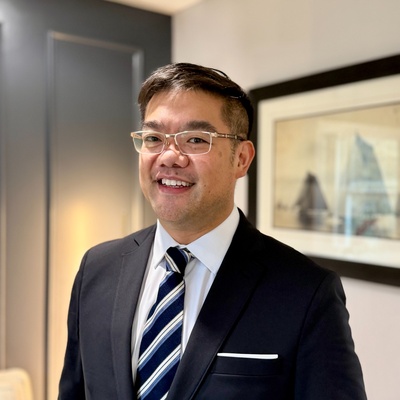
Article by
Peterson Huang DMD, MS, FACP, FRCDC
Dr. Peterson Huang is a dual board-certified prosthodontist serving Falls Church and Northern Virginia. He has been recognized as a Top Prosthodontist by Northern Virginia Magazine and Arlington Magazine and is affiliated with the Inova Fairfax Hospital Tumor Board. Dr. Huang focuses on dental implants, full mouth reconstruction, and complex restorative dentistry for patients who need advanced, comprehensive care.
What if the secret to a truly natural smile isn't just the materials used, but the specialized expertise of the clinician designing them? For many, the decision to restore their smile comes with a mix of hope and hesitation. You might worry about a "fake" appearance or the potential for discomfort during the initial adjustment phase. Understanding what to expect when getting partial dentures is the first step toward regaining your confidence. At Nova Premier Dental, we believe that clinical excellence should always be paired with a compassionate, patient-centered approach.
It's natural to feel overwhelmed by the difference between general dentistry and the specialized care of a prosthodontist in Northern Virginia. This guide provides a clear roadmap of the clinical journey, from the meticulous initial impressions to the final, precise adjustments. Dr. Peterson Huang, a dual board-certified specialist, utilizes advanced technology to ensure your restoration is both functional and aesthetically indistinguishable from natural teeth. You'll learn about the timeline for fitting, strategies for a comfortable transition, and how our in-house payment plans help you manage the investment in your long-term oral health while you enjoy your new smile.
Key Takeaways
- Learn why the advanced training of a dual board-certified prosthodontist is essential for achieving a natural-looking, functional smile that avoids the common pitfalls of standard dentures.
- Understand exactly what to expect when getting partial dentures, from the initial digital imaging and bite registration to the final precision fitting.
- Discover the science behind the adjustment period, including how your oral musculature undergoes retraining to comfortably secure and stabilize your new prosthetic.
- Master essential hygiene protocols, such as the clinical "overnight soak" rule, to protect your soft tissues and ensure the longevity of your oral reconstruction.
- Explore how personalized in-house payment plans make elite restorative care accessible, allowing you to prioritize your functional health and aesthetic goals.
Understanding Partial Dentures: A Specialist’s Perspective on Tooth Replacement
A Removable partial denture is a specialized prosthetic designed for patients who retain some natural teeth but seek to restore function and appearance in areas of tooth loss. It's more than a cosmetic fix. It's a functional tool that prevents remaining natural teeth from "drifting" into open gaps, which can lead to malocclusion and jaw pain. When considering what to expect when getting partial dentures, it's vital to recognize that these devices maintain the integrity of your facial structure by providing the necessary support for your lips and cheeks. Without this support, the facial muscles can begin to sag, leading to a prematurely aged appearance.
A prosthodontist focuses on the complex relationship between the prosthetic and your existing dentition. We don't just fill gaps; we engineer a solution that distributes biting forces evenly across the remaining teeth and the soft tissue. This balance is critical for preventing premature wear on your natural enamel and ensuring long-term comfort. For complex oral reconstruction cases, this specialized approach is necessary to ensure the new teeth integrate perfectly with the patient's biological baseline.
The Anatomy of a High-Quality Partial Denture
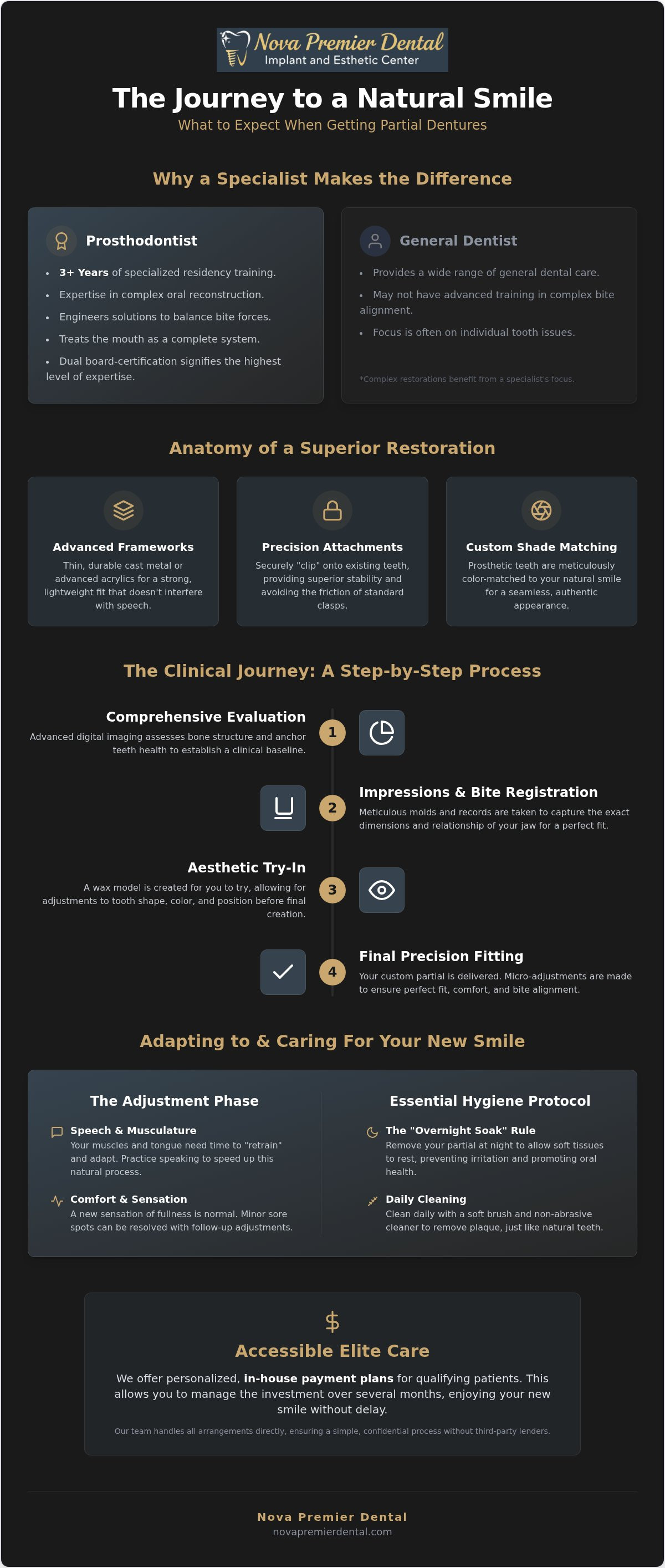
High-end partial dentures utilize either a cast metal framework for superior durability or advanced acrylic bases for specific clinical needs. Metal frameworks are often preferred for their thin, strong profile that doesn't interfere with speech. Precision attachments are another hallmark of specialized care. These allow the partial to "clip" securely onto existing teeth without the damaging friction often associated with standard clasps. We also prioritize custom shade matching. This ensures the prosthetic teeth blend seamlessly with your natural smile, providing a restorative result that looks entirely authentic.
Prosthodontist vs. General Dentist: Why it Matters for Your Fit
The difference in care often comes down to education and precision. A prosthodontist in Northern Virginia has completed three additional years of rigorous, specialized residency training beyond dental school. This advanced curriculum focuses specifically on oral reconstruction and the replacement of teeth. At Nova Premier Dental, Dr. Peterson Huang brings the added distinction of being dual board-certified. This level of expertise is particularly beneficial for complex cases where bite alignment and aesthetic harmony must be perfectly synchronized. Understanding what to expect when getting partial dentures starts with choosing a provider who treats the mouth as a complete, interconnected system.
The Clinical Journey: From Initial Consultation to Final Precision Fitting
The path to a restored smile is a methodical, multi-phase sequence designed to ensure both longevity and comfort. Establishing a clinical baseline is the first priority. This involves comprehensive oral examinations and advanced digital imaging to assess the underlying bone structure and the health of remaining teeth. Understanding what to expect when getting partial dentures begins with this diagnostic phase, where we determine if your mouth is ready for the prosthetic or if preliminary work is required to ensure a stable foundation.
Step 1: The Comprehensive Evaluation
During the initial assessment, Dr. Peterson Huang, a specialized prosthodontist in Northern Virginia, meticulously evaluates the health of your abutment teeth. These are the natural teeth that will serve as the anchors for your restoration. If these teeth show signs of decay or periodontal instability, a plan for oral reconstruction may be integrated into your treatment timeline. We prioritize your specific goals for aesthetics and chewing function to ensure the final result aligns with your lifestyle. If you're ready to begin this process, you can request a comprehensive evaluation at our Falls Church office.
Step 2: Impressions and Framework Design
Precision is the hallmark of a high-end partial denture. We utilize advanced technology to capture highly accurate molds of both the upper and lower arches. This data allows us to record the specific jaw relationship, often called bite registration. A well-designed framework must distribute biting forces evenly across the arches to prevent localized pressure points. We carefully engineer the metal or flexible base to ensure it does not interfere with natural speech or tongue movement, which are common concerns for patients during the design phase.
Step 3: The Fitting and Final Adjustments
Before the final fabrication, we often conduct a "Wax Try-In" phase. This allows you to preview the tooth arrangement and shade in a temporary wax base, ensuring the aesthetics meet your expectations before the laboratory completes the final prosthetic. On delivery day, the focus shifts to "occlusion," or how your teeth meet. We verify that the fit does not cause jaw joint strain or muscle fatigue. Each prosthetic is polished and refined for a comfortable, non-irritating fit. You will receive detailed wear instructions to help you navigate the first few days with confidence. Knowing what to expect when getting partial dentures during this final stage helps reduce anxiety and sets the foundation for a successful transition to your new smile.
Life with Your New Partial Denture: Speech, Nutrition, and the Adjustment Phase
The first 48 hours following the delivery of your new prosthetic represent a significant period of neurological and physical adaptation. It's common to experience a persistent "foreign object" sensation as your brain processes the presence of the appliance. Understanding what to expect when getting partial dentures means acknowledging that this phase is temporary. Your oral musculature, specifically the tongue and cheeks, must undergo a retraining process to instinctively hold the partial in place during rest and function. This biological integration is what separates a successful restoration from one that feels cumbersome.
During this initial window, you may notice minor "sore spots" where the framework interacts with the soft tissues. While some tenderness is expected, persistent sharp pain requires a professional adjustment. At Nova Premier Dental, Dr. Peterson Huang prioritizes these follow-up visits to ensure the prosthetic remains a functional asset rather than a source of irritation. Proper alignment is essential to prevent long-term inflammation of the gums.
Retraining Your Speech
Speech patterns often shift slightly when a new appliance is introduced. You might find that "s" and "f" sounds feel muffled or difficult to articulate clearly. This occurs because your tongue is adjusting to the new contours of the palate or the specific placement of the prosthetic teeth. To expedite your recovery, we recommend reading aloud for fifteen minutes each day or practicing difficult words in front of a mirror. Most patients find their speech returns to a completely natural state within one to two weeks as the brain builds new motor pathways. This specialized guidance from a prosthodontist in Northern Virginia ensures your transition is as predictable as possible.
Eating with Confidence
Transitioning to a full diet requires a methodical approach. We suggest starting with soft, non-sticky foods such as yogurt, eggs, and thoroughly cooked vegetables. A key clinical recommendation is the "bilateral chewing" technique. By distributing food on both sides of the mouth simultaneously, you stabilize the Dentures and prevent them from tipping or shifting. Avoid hard, crunchy, or excessively sticky foods during the first fourteen days to prevent dislodging the prosthetic or irritating healing tissues.
As your confidence grows, you'll be able to enjoy the diverse culinary offerings in Falls Church without hesitation. If you're concerned about the investment in your new smile, our practice offers in-house payment plans for qualifying patients. These allow you to manage costs over several months while already benefiting from the functional and aesthetic improvements of your restoration.
Maintaining Oral Integrity: Cleaning, Longevity, and Professional Care
Proper maintenance is the cornerstone of a successful restorative outcome. While much of the initial focus centers on the clinical timeline, understanding what to expect when getting partial dentures involves committing to a rigorous hygiene regimen. This protects both the prosthetic and your remaining natural teeth from plaque accumulation and bacterial biofilm. Neglecting this care can lead to periodontal issues that jeopardize the very teeth your partial relies on for support.
The Daily Cleaning Ritual
Precision prosthetics require specialized care to maintain their finish and function. You should use non-abrasive cleansers specifically designed for dentures, as standard toothpastes often contain gritty elements that can scratch the acrylic surface. These microscopic scratches provide a breeding ground for bacteria. It's equally important to brush your underlying gums, tongue, and supporting teeth with a soft-bristled brush. When you aren't wearing your prosthetic, keep it hydrated in a soaking solution or plain water. This prevents the materials from drying out and warping, which would ruin the precision fit achieved during your initial delivery.
The "overnight soak" rule is a non-negotiable aspect of long-term oral health. Your gum tissues require a period of rest from the constant pressure of the appliance to maintain healthy blood circulation and prevent chronic inflammation. Removing the partial for at least six to eight hours daily is essential for preserving the integrity of the soft tissues that support the framework.
Professional Relining and Repairs
Even the most meticulously crafted partial will eventually require professional attention. The jawbone naturally undergoes a process called resorption over time, meaning the bone structure changes shape. As this happens, your partial may begin to feel loose or unstable. This is where regular dental exams and cleanings become vital. During these visits, Dr. Huang can determine if a "reline" is necessary to reshape the underside of the denture for a snug fit, or if a replacement is finally warranted.
If you experience a broken clasp or structural damage, don't attempt a "home repair" with commercial glues, which can be toxic and often ruin the prosthetic beyond repair. We provide emergency denture repair in Falls Church to restore your appliance to its original clinical standards. To ensure you can always prioritize your oral health, we offer in-house payment plans for qualifying patients. These plans allow you to manage the cost of maintenance and repairs over several months while continuing to enjoy the benefits of your restored smile. If you've noticed a change in how your prosthetic feels, schedule a professional fit assessment at Nova Premier Dental today.
Choosing Advanced Care: Why a Board-Certified Prosthodontist Makes the Difference
Selecting a provider for restorative care is a decision that impacts your functional health for years. While many general practices offer tooth replacement, a prosthodontist in Northern Virginia provides a level of precision that standard services cannot match. Dr. Peterson Huang is a dual board-certified specialist, a distinction that signals a commitment to the highest clinical standards in oral reconstruction. When you understand what to expect when getting partial dentures from a specialist, it becomes clear that the goal isn't just to fill a gap, but to create a harmonious, bio-integrated restoration. This advanced approach results in a more natural-looking smile and significantly fewer follow-up adjustments.
Personalized Treatment Planning
Every patient presents a unique biological landscape. We move beyond the "one-size-fits-all" approach, focusing instead on custom-engineered restorations that respect your existing bite and bone structure. In some cases, partial dentures are just one component of a comprehensive full mouth reconstruction plan. This ensures that every aspect of your oral health, from gum stability to jaw alignment, is optimized for the new prosthetic. You can meet Dr. Peterson Huang to learn more about his restorative philosophy, which combines meticulous technical skill with a dedication to functional beauty.
Financial Flexibility for Your Smile
We believe that elite restorative care should be accessible to those who value long-term health. To support this, Nova Premier Dental offers in-house payment plans for qualifying patients. These plans allow you to spread the cost of your treatment over several months, making the investment manageable without compromising the quality of materials or care. We prioritize these internal arrangements because they allow us to work directly with you, focusing on your needs rather than the requirements of external financial entities. This approach ensures you can focus on the benefits of your new smile while comfortably managing the financial aspect.
Our practice serves the Northern Virginia communities of McLean, Arlington, and Fairfax from a welcoming, modern environment designed for patient comfort. From the initial digital imaging to the final delivery of your prosthetic, you'll experience a methodical and reassuring process. If you're ready to explore what to expect when getting partial dentures and want the confidence that comes with specialized care, Nova Premier Dental is here to guide your journey. Contact our office today to schedule your clinical consultation and take the first step toward a functional, aesthetic restoration.
Restoring Your Confidence and Function with Precision Care
Achieving a functional and aesthetic smile requires a clinical partnership rooted in expertise and precision. By understanding what to expect when getting partial dentures, you can approach the adjustment period with confidence, knowing that specialized engineering from a dual board-certified prosthodontist ensures a superior fit. From the initial bite registration to long-term maintenance protocols, every step of the journey is designed to protect your oral health and facial structure.
At Nova Premier Dental, we are recognized as a top-rated Northern Virginia dental practice because we prioritize individualized restorative plans and patient comfort. We understand that complex reconstructions are an investment in your quality of life, which is why we offer in-house payment plans for qualifying patients. These plans allow you to manage the cost of care over several months while already enjoying the benefits of your new smile. If you're ready to transition from dental anxiety to functional beauty, we invite you to Schedule a Consultation with Dr. Peterson Huang. We look forward to helping you reclaim a natural, confident smile that lasts for years to come.
Frequently Asked Questions
How long does it take to get used to wearing a partial denture?
Most patients require approximately two to four weeks to fully adapt to their new prosthetic. During this window, your brain undergoes a process of neurological integration, learning to ignore the presence of the appliance. You'll gradually notice that speech patterns normalize and chewing becomes more instinctive. Consistent daily wear is the most effective way to expedite this transition and ensure your oral musculature adapts efficiently.
Is getting partial dentures painful?
The clinical process of fitting a partial is non-invasive and typically painless. You may experience minor "sore spots" or general tenderness during the first few days as the soft tissues adjust to the framework's pressure. These issues are easily resolved through precision adjustments at our office. Understanding what to expect when getting partial dentures includes knowing that minor initial discomfort is a normal part of the tissue-shaping process.
Can I sleep with my partial dentures in?
It is clinically recommended that you remove your prosthetic for at least six to eight hours every night. This "overnight soak" allows your gum tissues to rest and maintain healthy blood circulation, which is vital for preventing inflammation and fungal infections. Continuous wear can also accelerate bone resorption. Giving your mouth a designated period of rest is essential for long-term oral integrity and the health of your supporting teeth.
How much do partial dentures typically cost in Northern Virginia?
The investment for a restoration varies based on the materials selected, the number of teeth being replaced, and the complexity of your bite alignment. While standard options exist, specialized prosthodontic care focuses on long-term durability and aesthetic harmony. At Nova Premier Dental, we offer in-house payment plans for qualifying patients to help manage costs over several months, ensuring elite care remains accessible.
Will people be able to tell that I am wearing a partial?
When designed by a dual board-certified prosthodontist in Northern Virginia, your restoration should be indistinguishable from natural teeth. We utilize custom shade matching and precision attachments that eliminate the need for visible metal clasps. This meticulous attention to detail ensures that your smile looks authentic and blends seamlessly with your remaining natural dentition, providing a boost in both function and social confidence.
What happens if my partial denture breaks or feels loose?
If your prosthetic breaks or the fit changes, you should contact us immediately for emergency denture repair. Do not attempt to use commercial glues, as these can be toxic and may permanently damage the appliance. A loose fit often indicates that the underlying jawbone has shifted, a common occurrence that Dr. Peterson Huang can address through a professional reline to restore stability.
Do partial dentures affect the way I taste food?
Partial dentures generally have a minimal impact on taste because they do not cover the entire palate where many secondary taste receptors are located. Most taste buds are situated on the tongue, which remains unobstructed. However, some patients may notice a slight change in thermal sensation if their partial has a metal framework. As you move through the process of what to expect when getting partial dentures, you'll find that food enjoyment remains largely unchanged.
How often do partial dentures need to be replaced?
Disclaimer
The information provided on this website and blog is intended for general educational and informational purposes only and should not be considered dental or medical advice, diagnosis, or treatment. Reading content on this website does not establish a doctor-patient relationship with Nova Premier Dental or Dr. Peterson Huang. Dental conditions and treatment needs vary from patient to patient. Individuals should consult directly with a qualified dental professional for personalized evaluation, diagnosis, and treatment recommendations. Do not delay seeking professional dental care based on information found on this website. While we strive to provide accurate and up-to-date information, no guarantee is made regarding the completeness, accuracy, or applicability of the content. Treatment outcomes may vary depending on individual circumstances. If you are experiencing a dental emergency or urgent oral health concern, please contact a licensed dental professional immediately or call 911 in the event of a medical emergency.


